Entry · Ref 8EYKWOSO
Choosing the Right Quad Bike for Dubai Desert Riding
- Posted
- 2026-11-28
- Last amended
- 2026-11-28
- Account
- @getatvquadbikedubaiinsight
Picking the right atv quad bike dubai starts with being clear about what the ride needs to do. Desert riding is not the same as cruising on a flat trail. Sand shifts under the tyres, heat affects both rider and machine, and a route that looks simple can become tiring when dunes get steep. A sensible choice depends on the rider, the terrain, the length of the outing, and the level of support available on the day.
Start with the rider, not the machine
Before comparing quad bike types, look at who will be riding. Experience matters more than engine size or a sporty look. A beginner needs something predictable, easy to steer, and comfortable at modest speed. A rider who already understands throttle control and body position may want more response, but power alone does not make a bike suitable for desert terrain.
Height and reach are practical points. The rider should be able to sit with knees bent, keep both feet planted when stopped, and reach the handlebars without stretching. If the bike feels too large at a standstill, it will feel worse on a sand dune. Weight balance also matters. A machine that feels manageable in a parking area can become awkward when the front wheels climb soft sand.
Watch for any mismatch between confidence and skill. A first timer may feel brave before the ride, then tense up when the bike slides sideways. Tension leads to harsh steering and sudden throttle inputs, which can make the ride less controlled. Choose a bike that allows smooth habits to form.
Decide what kind of riding the outing involves
Desert routes vary. Some are gentle loops over firm sand. Others include long climbs, side slopes, and loose sections where the rear wheels spin. If the plan includes dune bashing, the bike needs enough low end response to climb without constant aggressive throttle. It also needs suspension that stays composed when the ground drops away.
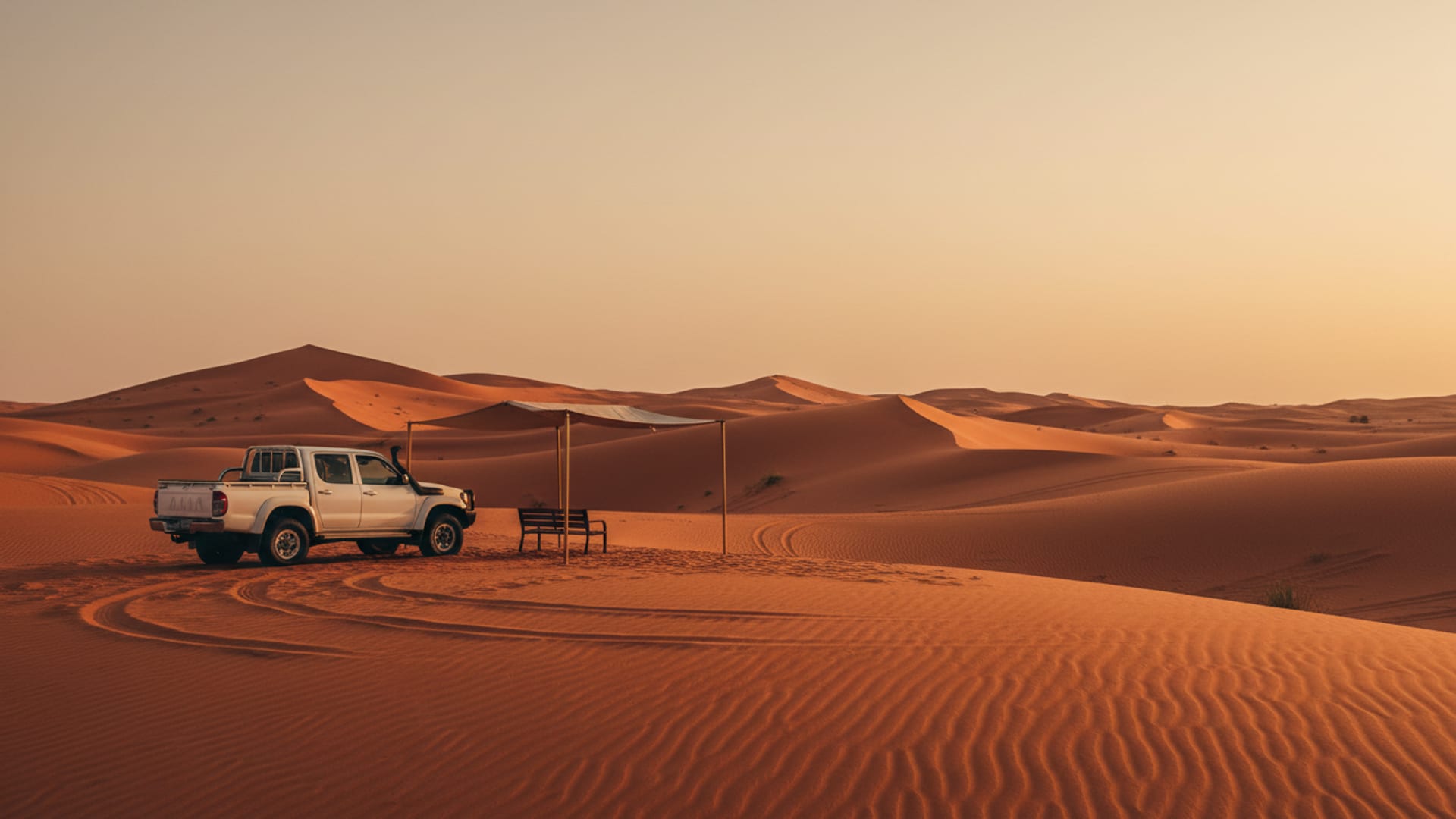
Think about pace. A relaxed route rewards comfort and stability. Faster riding calls for better brakes, stronger suspension, and a chassis that remains steady over bumps. A powerful bike is not automatically the better choice. On soft sand, rider technique and tyre pressure can matter as much as engine output.
Route length is another deciding factor. Short rides can tolerate a firmer seat and simpler setup. Longer rides make comfort, fuel range, and heat management more important. If the day includes stops, photos, and time in open sun, a bike that is easy to mount and dismount becomes a real advantage.
Match the bike to desert terrain
Desert terrain asks for specific traits. Ground clearance helps when sand builds under the chassis. Suspension travel helps absorb dips and hidden ridges. A wide stance can add stability on side slopes, while a well balanced frame makes the bike easier to steer when the surface changes without warning.
Tyres deserve close attention. Sand tyres are designed to spread the load and keep the bike from digging in. Worn or unsuitable tyres can turn a manageable route into hard work. Before accepting any bike, check that the tread is even, the tyres are properly seated, and there are no signs of cuts or bulging sidewalls.
Speed limits should shape the decision as well. In many riding areas, speed is controlled by the route, local rules, and the group pace. A bike that only feels stable at high speed is a poor fit for a controlled desert outing. The better option is one that responds cleanly at lower and medium speeds, where most real riding happens.
It helps to ask how the bike behaves on loose climbs and descents. Any responsible provider should be able to explain the riding area, the expected pace, and the kind of terrain riders will face. For a quick reference point, atvdubaidesert.com can be kept in mind while comparing options, but the final choice should still rest on fit, condition, and route suitability.
Check condition before committing
A good looking bike can still have problems that matter off road. Do a calm visual check before anything else. Look for oil marks, cracked panels, loose bolts, damaged handguards, and bent levers. These signs do not always mean the bike is unsafe, but they deserve questions. If answers are vague, treat that as a warning.
Brakes need particular care. Squeeze the brake lever and check that it feels firm rather than spongy. The bike should stand level and the controls should sit neatly. Any grinding, scraping, or uneven response is a sign to stop and have the matter checked by a qualified professional. Brake work is not a casual fix.
Electrical parts also need attention. Lights, display panels, and switches should work as expected. If a warning light stays on, do not assume it is harmless. Modern quad bikes use sensors, and a fault can affect performance. A qualified professional should diagnose persistent warning signals rather than relying on guesswork.
Finally, check that the bike is clean enough to inspect properly. Heavy mud or caked sand can hide damage. A machine that has been looked after usually shows it in small details: straight handlebars, intact cables, clean air filter access, and tyres in sound condition.
Make sure safety gear fits properly
Safety gear is part of the choice, not an accessory added at the end. A helmet should fit snugly without pressing painfully. It should sit level on the head, and the chin strap should hold it firmly when the jaw moves. Gloves protect the hands from vibration, heat, and branches or rough surfaces. Eye protection matters in dusty conditions, especially when other bikes are ahead.
Wear long trousers and a top that covers the arms. Loose clothing can catch on controls or brush against hot parts. Closed footwear with good grip is better than sandals. In warm conditions, breathable material is more comfortable, but it should still provide coverage.
Pay attention to how the gear affects movement. If the helmet blocks side vision, if gloves make the grips slippery, or if boots make it hard to feel the foot controls, the setup is wrong. Riding techniques depend on subtle inputs. Gear that interferes with those inputs reduces control.
Ask how the ride is managed
The right bike also depends on the riding arrangement. A guided tour can help newer riders understand route markings, hand signals, and safe spacing. It can also reduce the chance of getting lost or riding beyond your ability. When comparing options, ask about group size, route difficulty, and how stops are handled.
Find out whether the pace is set for beginners, mixed ability groups, or experienced riders. A route that sounds relaxed may still include fast sections. Clear communication before the ride is a good sign. Riders should know what happens if someone falls behind, what signals are used, and where the group regroups.
Supervision matters more when children or first timers are involved. Age rules, size requirements, and passenger limits should be clear. A bike should never be chosen because someone else says it is fine. If the rider is unsure, a smaller and calmer option is usually the smarter path.
Compare the full package, not just the bike
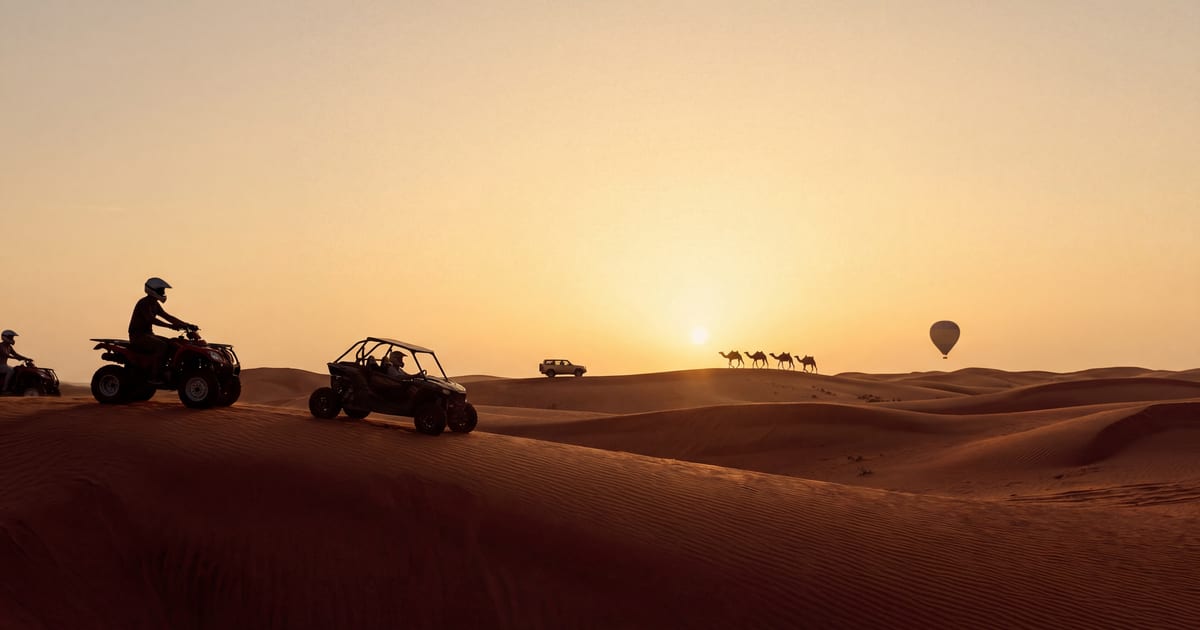
It is easy to focus on engine size and appearance, but the full riding package matters. A suitable bike with clear route information and proper safety gear is better than a stronger bike with little explanation. Ask what is included, what riders need to bring, and what rules apply on the route.
Read the terms before paying attention to the exciting parts. Cancellation terms, age requirements, route limits, and safety rules can affect whether the outing suits you. If something is unclear, ask for a plain answer. Good planning removes surprises and lets the rider concentrate on the terrain.
When dealing with any provider, including atvdubaidesert.com, keep the decision grounded in practical fit. The best choice is the one that matches the rider, suits the terrain, is in sound condition, and comes with clear safety expectations. A calm, honest assessment at the start makes the ride more enjoyable and far less likely to go wrong.